
Mid-market e-commerce operations lose up to 70% of potential revenue to systemic checkout friction...
AI Ecommerce Automation: Eliminating Post-Purchase Leakage
Quick Insights
- Post-purchase transactional inquiries like order modifications and tracking updates create massive operational overhead for enterprise e-commerce teams.
- Renting traditional volume-tiered SaaS helpdesks introduces a severe margin trap where customer service costs spike linearly with transaction growth.
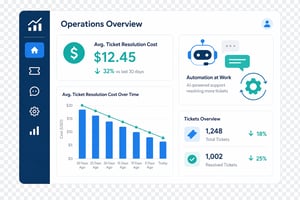
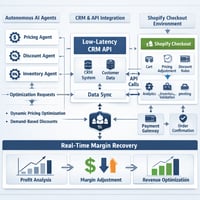
- Deploying server-side ai ecommerce automation connects directly to fulfillment systems to resolve transactional tickets autonomously without site lag.
How does post-purchase ticket overhead drain enterprise margins?
After a customer completes a transaction, their engagement shifts from discovery to fulfillment tracking. For high-volume and enterprise brands, the post-purchase phase frequently becomes an operational bottleneck. Customer support queues are flooded daily with low-complexity inquiries: order tracking updates, shipping address corrections, variant swaps, and return status checks.
When customer experience teams rely on manual processes to handle these requests, operational expenses scale linearly with order volume.
Human representatives must repeatedly log into separate logistics portals, cross-reference tracking IDs, and copy-paste shipping details into support tickets. This manual handling creates substantial labor costs, slows down overall resolution velocity, and diverts internal talent away from high-value retention and commercial growth activities.
What are real-world ai in ecommerce examples for post-purchase automation?
To break free from human-dependent workflows, commercial leaders are modernizing post-purchase operations using server-side conversational systems. Examining effective ai in ecommerce examples, enterprise brands are connecting automated agents directly into their logistics engines, warehouse management software (WMS), and carrier APIs.
When an authenticated customer submits a "Where is my order?" request, the server-side system processes the query in milliseconds, retrieves tracking telemetry directly from the carrier, and returns a real-time status update.
If a customer requests a delivery address update prior to warehouse dispatch, the automated system validates the new credentials and updates the shipping manifest programmatically without requiring human data entry. Leveraging ai ecommerce automation resolves transactional tickets autonomously at the edge, guaranteeing instant customer clarity while protecting gross product margins.
Why is server-side ai for ecommerce superior to client-side ticketing plugins?
To automate post-purchase workflows, growth teams often make the mistake of installing third-party helpdesk app plugins. However, client-side software executes heavy JavaScript directly within the user's web browser, causing document object model (DOM) rendering delays within account portals and payment confirmation screens.
Deploying server-side ai for ecommerce ensures that all operational logic runs within your dedicated cloud perimeter.
Because the interaction layer communicates via secure server-to-server APIs, it processes inquiries instantly without adding front-end code overhead or degrading core site speed. Furthermore, server-side infrastructure ensures complete data sovereignty: customer records, fulfillment logs, and support interactions remain securely within your enterprise perimeter rather than being stored in isolated third-party SaaS databases.
To see how legacy helpdesk platforms compare against custom server-side automation infrastructure, review the operational breakdown below:
Stop letting transactional support tickets drain your operational margins and slow down your customer portals. Transition to a modern digital architecture built for automated fulfillment management.
To discover how your brand can automate post-purchase operations and secure your net profit margins, click here to book your strategic infrastructure assessment today.